How to Choose the Right Trencher Chain and Teeth for Soil Conditions
Last updated: October 21, 2026
Quick answer: choose the right trencher chain and teeth for soil conditions by matching the setup to the hardest material on the line; in mixed ground, that usually means planning for the toughest 20% of the run.
Key Takeaways
- Match the chain and teeth to the main trench material: sand, clay, hardpan, or rock.
- Choose the tooth style for the material you must cut, then check if it will last the run.
- Chain style affects bite, spoil flow, and how hard the trencher works.
- Trace the route, find the toughest section, and size the cutting package for that layer.
The right trencher chain and teeth depend on what the ground is made of, not just how deep you need to cut. A chain that glides through sand can bog down in clay, and teeth built for soft soil will vanish fast in hardpan or rock.
Start with the soil, not the machine
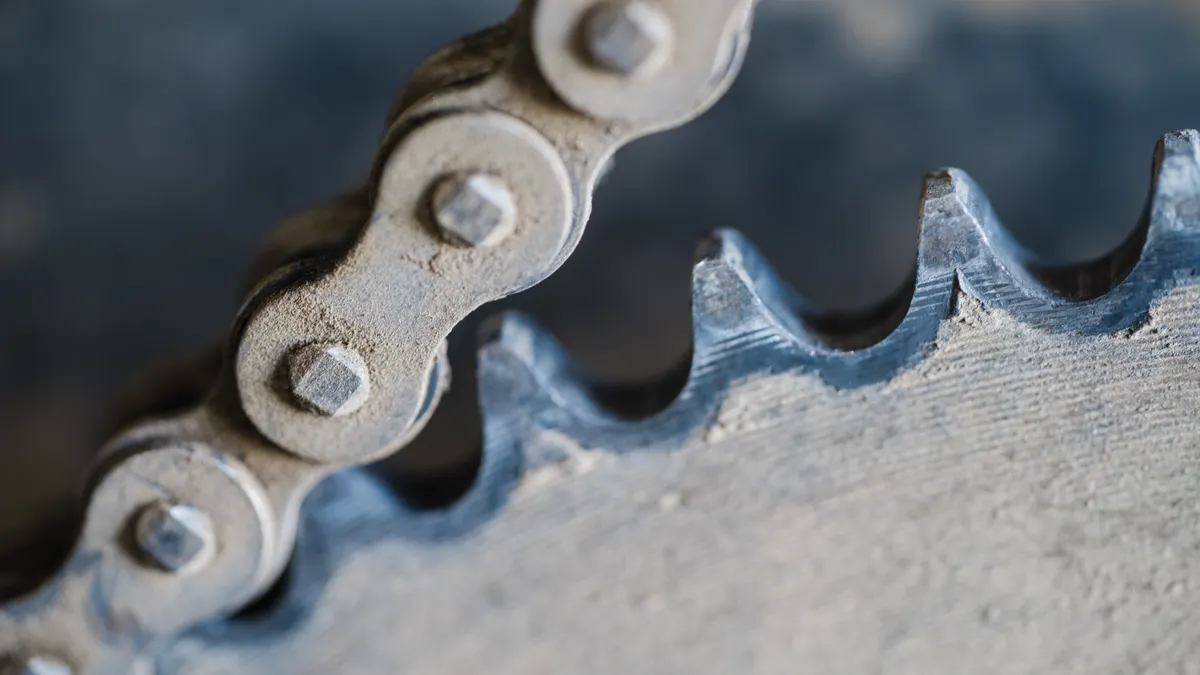
Match the chain and teeth to the dominant material in the trench line: sand, clay, hardpan, or rock. Simple on paper, messy in real dirt. Mixed ground is where people get it wrong.
A 6-inch trench through loose sand does not need the same cutting package as a trench that hits caliche, frozen layers, or scattered stone every few feet. That gap is where bad buying happens.
Classify the soil by what the trench actually sees at cutting depth, not by what the surface looks like. Topsoil can be forgiving, while the layer at 18 inches behaves like concrete. Clay packs, stretches, and can “ball” around the chain. Sand flows and clears easily but gives little resistance, so the issue is not force so much as keeping the chain from overworking the drive. Hardpan is dense and usually abrasive. Rock is the hardest stop, especially when it is fractured and irregular.
That is why trencher chain selection starts with the wear pattern you expect. In soft soil, you want efficient carry-out of spoil. In abrasive or compacted ground, you want teeth that can keep a sharp edge long enough to stay productive. A general-purpose chain is a compromise, not a miracle. It may work acceptably in mixed loam, then disappoint in clay with gravel or in rocky fill.
For the hardest section, the rule is blunt: if the job includes a known rocky zone, do not buy a chain sized only for dirt. Planning for roughly the hardest 20% of the run is often the safer choice because that is where progress usually slows. I would not choose a soft-soil chain for hardpan, shale, or stony backfill if the trench has to stay on schedule.
For a broader equipment framework, the hub on trench types, methods, and equipment — The Complete Guide can sit alongside this page without replacing the soil-specific choice you need here.
How to match trencher teeth to clay, sand, hardpan, and rock
Pick the tooth style that breaks the material you actually need to cut, then check whether it will keep its edge long enough for the run. The tooth is doing the cutting; the chain is only carrying it. That division matters more than most buyers think.
Soft-soil teeth are usually the right choice for sand and loose loam. They clear material quickly and do not need the extra mass of a rock tooth. In sand, the main problem is not tooth strength but wasteful drag and poor spoil removal, so overly aggressive teeth can add wear without adding much speed.
Clay needs a sharper, more self-cleaning cutting profile. Clay tends to smear and cling, especially when damp. A tooth that leaves a clean bite matters more than one built purely for impact. If the trench is in heavy clay with occasional pebbles, a tougher universal tooth may be the safer middle ground than a delicate soft-soil tooth.
Hardpan calls for more durability. Hardpan is dense enough to punish thin edges, so carbide-tipped trencher teeth become more attractive here. Tungsten carbide holds up better against abrasion than plain steel, which is why it shows up in harder applications. It is not magic; it usually costs more up front and can still chip if abused, but it keeps working longer in abrasive ground.
Rock teeth are the real specialists. They are built for fractured rock, shale, caliche, and mixed ground with embedded stone. Carbide is the key material here, and the tooth shape is usually more aggressive and more durable than a soil tooth. If the job includes continuous rock, use rock teeth rather than hoping a dirt setup will “get through it.” It may do so slowly, but the wear bill and downtime usually land harder than the upfront savings.
One limitation matters here: not every trench with a few stones needs full rock teeth. If the line is mostly clay or sand with occasional small rock, a mixed setup or a tougher universal tooth can be the better balance. Choosing full rock teeth for soft ground can reduce cutting speed and raise cost with no payoff.
Think in this order: dominant soil, worst soil, then budget for wear. The last one should not lead.
What chain style tells you about performance
Chain style controls how aggressively the trencher carries teeth through the cut and how well it clears spoil. A chain is not just a loop of metal; it is the geometry that determines how the machine feeds the ground. A short loop of metal can fool people. Not this part.
A standard dirt chain is usually the baseline for softer conditions. It is built to move through sand, loam, and moderate clay without paying the weight penalty of a rock chain. In loose ground, it can be the most efficient option because it does not overbuild for a problem that is not there.
A rock chain is heavier and tougher. It normally uses more robust components and tooth spacing designed for impact and abrasion, not just speed. The trade-off is obvious: it can survive harsher conditions, but it can be slower and more demanding in soft ground. On a short trench through fill dirt, that extra mass may simply be dead weight.
Cup or digging-style teeth work differently than chain style alone. The important detail is how much material each tooth bites per pass. A tighter pattern can help in mixed soils, while a more open pattern can clear better in loose ground. The wrong spacing can clog in wet clay or waste energy in sand.
Buying by category name alone is the usual mistake. “Rock chain” and “dirt chain” are broad labels. The real question is whether the chain pitch, tooth spacing, and tooth material fit the trench condition. A chain with carbide rock teeth may still disappoint if the ground is mostly soft and the spoil is not clearing well.
If the trench crosses multiple ground types, do not assume one chain is perfect everywhere. Mixed conditions often call for compromise, and that compromise can cost either speed, wear life, or digging smoothness. That is normal, not a defect in the machine. In the field, perfection is rare.
Use this quick procedure to choose the right trencher chain and teeth
Choose the chain and teeth by tracing the trench line, identifying the hardest material, and matching the cutting package to that worst section. That is the most reliable way to avoid buying for the easy part and failing on the difficult one.
- Walk the route and note the soil changes at the depth you will cut, such as topsoil over clay, sand over hardpan, or fill with embedded rock. The result should be a simple ground map you can describe in one sentence.
- Classify the main condition as sand, clay, hardpan, or rock. If one material makes up most of the run, choose for that. If rock appears regularly, treat it as the deciding condition, and when the site is uncertain, consult a qualified equipment or geotechnical professional.
- Check whether the trench is mostly cutting or mostly surviving abrasion. For sand and loose loam, prioritize clean spoil removal. For hardpan and rock, prioritize carbide-tipped wear life.
- Select the tooth material. Use standard soil teeth for sand and light clay, tougher universal teeth for mixed ground, and tungsten carbide or rock teeth for hardpan and rock. The expected result is fewer tooth changes and less edge loss.
- Match the chain style to the tooth choice. A dirt chain suits soft ground; a rock chain suits abrasive and fractured material. The result should be a pairing, not a mismatch.
- Look at the replacement pattern. If teeth are wearing flat on one edge, chipping at the tip, or disappearing fast in one zone, the ground is harsher than the chain was built for. Swap to a tougher setup before the wear accelerates.
This procedure is conservative on purpose. A chain that is slightly tougher than needed is usually less painful than one that is too light for the cut. The exception is very soft, clean soil, where an overbuilt rock setup can slow production and add needless expense.
Read wear patterns before they ruin the cut
Wear patterns tell you whether the chain and teeth are matched to the soil or being beaten by it. Flat tips, rounded cutting edges, chipped carbide, and uneven wear across one side of the chain are all signals that the ground is harder or more abrasive than expected.
A tooth that wears evenly but quickly usually points to abrasive material such as sand with grit, hardpan, or fine rock. That means the setup may be working, but the tooth material is too soft for the job. A tooth that chips or breaks early often points to impact from stone, buried aggregate, or rock fragments. In that case, a stronger rock tooth is usually more appropriate than simply replacing soft-soil teeth again.
Clay creates a different problem. The issue is often buildup, not just wear. When damp clay sticks to the chain, cutting efficiency drops and heat rises. If the trench starts to look smeared rather than cleanly cut, the teeth may be okay but the tooth shape is wrong for the material. A more self-cleaning profile can help more than a harder one.
Replacement timing depends on what failure looks like. If the teeth are still present but the cutting edge is rounded, cutting force rises and the machine works harder for less progress. If the tooth is chipped at the carbide tip, the edge may still bite in soft ground but will do poorly in hardpan or rock. Waiting too long costs in chain stress, spoil quality, and fuel use, even if the machine keeps moving.
After the first short run in unknown ground, inspect the leading teeth. Ten minutes of checking can prevent hours of pushing a bad setup through the wrong material. The cost of wrong wear is not only tooth replacement; it is also slower trenching and extra strain on the drive.
What not to buy for your soil
Do not buy a soft-soil chain for hardpan, shale, or rocky fill. That choice saves money at the counter and spends it later in worn teeth, poor progress, and extra downtime.
A common mistake is picking the cheapest replacement teeth because the old ones “still fit.” Fit is not the full question. A tooth that bolts on and still cuts badly is a bad purchase. Another mistake is overbuying rock teeth for a sandy trench. You can end up with slower cutting and higher parts cost for no real gain.
Mixed soil is easy to ignore. A trench that starts in clay and then hits embedded stone will punish a chain chosen only for the first 10 feet. If the route has known transitions, buy for the toughest section and accept that the easier section may not run at maximum speed.
I would not use a pure rock setup for a long, clean sand trench unless the line also includes true abrasive sections. That setup can be unnecessarily heavy and expensive for the job. The least aggressive chain and tooth combination that still survives the worst material you expect to hit is usually the better answer.
If the trench is unusually variable, it is better to accept a slightly slower general-purpose setup than to gamble on a specialist chain that fails halfway through the run. That trade-off stings less.
The short checklist before you order parts
Choose the chain and teeth that match the trench’s hardest soil layer, not its easiest one. That one decision filters out most bad purchases.
Before ordering, confirm the main soil type, the worst soil type, whether wear or impact is the bigger problem, and whether the machine needs dirt teeth, universal teeth, or rock teeth. If the answer includes hardpan or rock, tungsten carbide is usually worth considering. If the answer is mostly sand or light clay, a heavy rock setup may be unnecessary.
The cleanest choice is the one that keeps the chain cutting without forcing you to replace teeth every few hours. The wrong choice often looks fine on paper and expensive in the trench.
What teeth are best for rocky soil?
Rock teeth with tungsten carbide are usually the right choice for rocky soil. They are built to survive impact and abrasion better than standard soil teeth, especially in fractured rock, hardpan, shale, or caliche. A softer dirt tooth may still cut, but it tends to wear out quickly and can slow the whole job.
Can the wrong chain damage a trencher?
Yes, the wrong chain can stress the drive, increase wear, and make the machine work harder than it should. A chain that is too light for hardpan or rock can wear teeth fast and load the system unevenly. A chain that is too heavy for soft soil can also reduce efficiency and add unnecessary strain.
How do you know when trencher teeth are worn out?
Trencher teeth are worn out when the cutting edge is rounded, chipped, or visibly shortened enough that the chain stops biting cleanly. Poor spoil flow, slower cutting, and rising strain are also clues. If a tooth no longer presents a sharp cutting face, replace it before it starts dragging the whole chain down.
Drafted with AI; not yet reviewed by a person.