

Utility Line Trench Planning and Layout
October 24, 2026
Utility line trench planning and layout is the job of turning a blank site into a trench route that can actually be built, inspected, and backfilled…
Utility line trench planning and layout is the job of turning a blank site into a trench route that can actually be built, inspected, and backfilled…

5 feet. For most projects, trench protection becomes a formal requirement at 5 feet deep unless the excavation is entirely in stable rock, so the safest…

Routing a utility trench around obstacles usually means choosing a path that preserves clearance, stays legal, and keeps the trench workable, often with…

When to Use a Walk-Behind Trencher for Utility Installation: Need a narrow utility trench, but not a full excavation? This is where a walk-behind trencher…

A future-ready utility trench is usually planned with one active route, one spare conduit, at least one reachable access point, and a clear drawing so…

How to Plan a Multi-Utility Trench Layout for One Property: A multi-utility trench layout is easiest to plan when you map the route, branch points, and…

Marking utility lines before digging a trench means getting an 811 ticket, waiting for the utility locator to mark public lines, and then checking the…

How to Choose the Right Trencher Chain and Teeth for Soil Conditions: choose the right trencher chain and teeth for soil conditions by matching the setup…
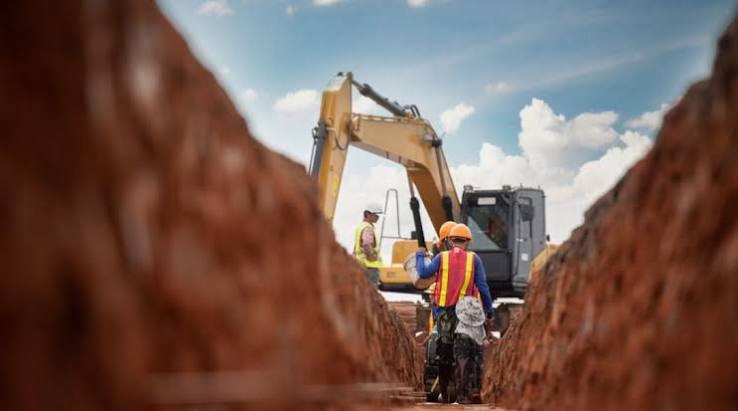
Digging deeper than 5 feet changes the whole equation. The real question is not “Do OSHA trenching rules homeowners and contractors should know apply?”…
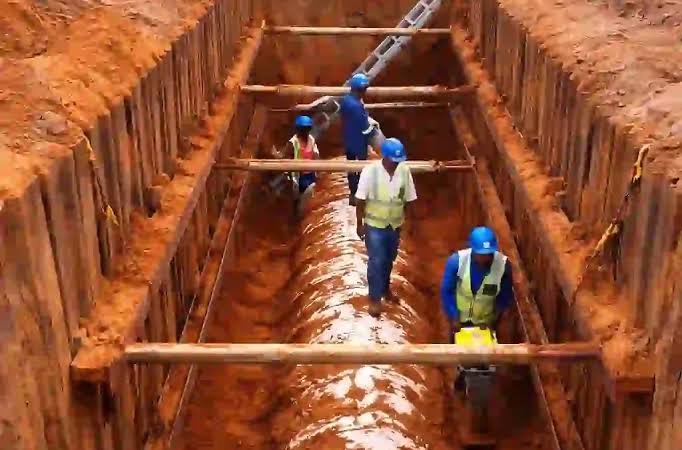
Trench safety, shoring, and compliance — The Complete Guide: Planning to work in a trench? Then the blunt answer is this: “Can I brace it later?” is the…