When to Use a Walk-Behind Trencher for Utility Installation
Last updated: October 24, 2026
Key Takeaways
- A walk-behind trencher works best in soil that lets the chain move steadily without constant binding or stalling.
- A walk-behind trencher is worth using when the needed cut depth can be reached cleanly without turning the job into a long recovery project.
- A walk-behind trencher is usually the better option when you want less turf disruption than an open excavation would create.
- A chain trencher is often the better choice than hand digging because it cuts a steady trench faster and with less strain on the crew.
Need a narrow utility trench, but not a full excavation? This is where a walk-behind trencher makes sense. It fits small residential runs, short service extensions, and lawn work where cut depth, turf disruption, and access matter more than raw speed. Before any digging starts, verify utility locations and, if the route is uncertain, bring in a qualified contractor or utility locator; the Common Ground Alliance’s 811 guidance is a useful starting point, and OSHA also stresses locating utilities before excavation.
The clearest sign a walk-behind trencher fits the job
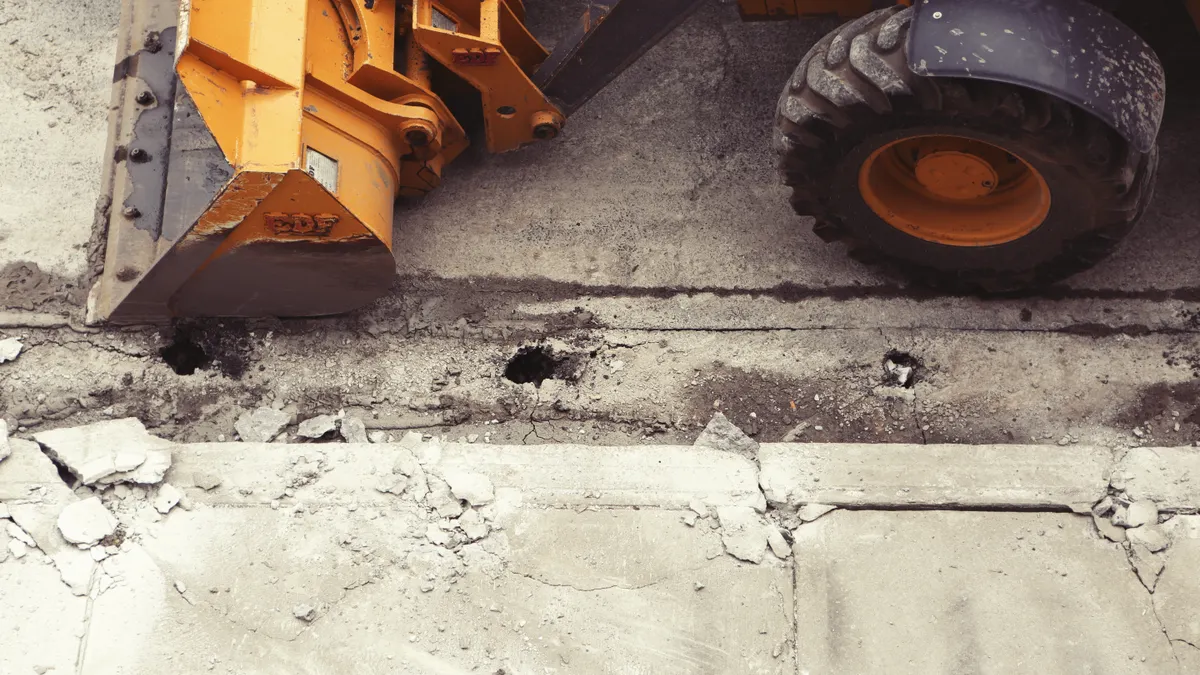
Short route, narrow cut, manageable site — that is the sweet spot. A walk-behind trencher is a strong fit when the trench needs to stay slim and the ground can handle a chain cutting path instead of a full-size excavator bucket. That usually means water lines, irrigation laterals, electrical conduit, low-voltage cable, or similar utility installation across a lawn, driveway edge, side yard, or compact access path.
Control is the real advantage. A chain trencher cuts a consistent slot, so the finished trench is easier to keep aligned than a hand-dug trench in uneven soil. And because the cut is narrow, it limits turf disruption; the machine does not have to open a wide excavation just to place one utility line. For a homeowner’s yard or a small commercial site, that difference matters. Less restoration later. Less mess now.
The question is not “Can it dig?” It can. The better question is whether the job benefits from a controlled cut of a few inches wide rather than a broader excavation. If the utility run has a clean path, modest cut depth, and no major obstructions, a walk-behind trencher is often the practical middle ground.
Tight access pushes the answer even harder. A gate, side yard, or fenced backyard can rule out larger equipment. A machine that the operator walks behind can turn in place more easily than a ride-on unit and is easier to position near a building, fence line, or lawn edge. For many small utility trenching jobs, that access is the difference between using a machine and paying for more labor than the job deserves.
When the soil makes a walk-behind trencher work well
Loose to moderately compacted soil is the sweet spot. A walk-behind trencher works best when the route cuts cleanly enough for the chain to advance without constant binding or stalling. Dry topsoil, mixed fill, and many residential yards are the common use cases, especially where the trench depth is within the machine’s normal range and the operator is not fighting rock or dense clay all day.
Soil condition changes the job more than many people expect. The same machine that moves steadily through workable soil can slow to a crawl in wet clay, sticky subsoil, or ground packed with roots. Rock fragments, buried construction debris, and frost are all warning signs. A chain trencher depends on the teeth doing repeated cutting and clearing. If the chain cannot clear spoil fast enough, the trench walls get messy and the cut gets uneven. Like trying to slice a frozen loaf with a dull knife, it bogs down fast.
That is where the judgment call matters. A walk-behind trencher is a good choice when the soil is predictable and the utility route is straightforward. It is a poor choice when the ground has unknown fill, heavy roots, or a lot of buried obstructions. A lawn with mature tree roots can turn a quick trench into a stop-and-start problem, and the resulting disturbance can be worse than a different method would have been.
Ground moisture matters too. Slightly damp soil often cuts more cleanly than powder-dry soil, but saturated soil can smear and collapse around the cut. The issue is not only performance; it is the quality of the trench you leave behind. If the spoils will not cast cleanly away from the cut, the machine may still reach depth, but the trench may need more cleanup afterward.
For a contractor, the practical test is simple: if the soil lets the chain trench steadily at the planned cut depth without forcing repeated passes, the machine is in its zone. If the operator has to fight every foot, the machine is the wrong fit for that run. OSHA’s excavation guidance and utility-locating guidance both point in the same direction: check conditions before you dig.
How I decide if the cut depth and route are worth using one
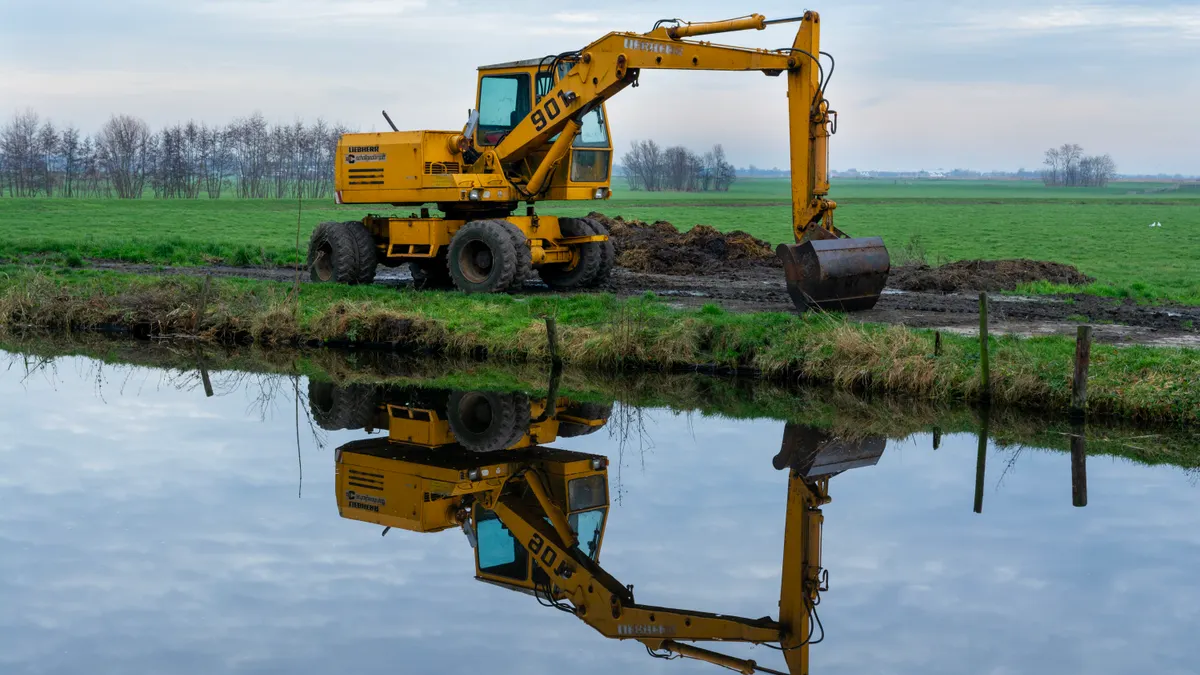
A walk-behind trencher is worth using when the target cut depth can be reached cleanly without turning the job into a long recovery project. This tool is built for a defined trench, not for every utility run under the sun. If the utility line needs a depth that is within the machine’s working range and the route stays simple, it is often the sensible choice. If the route is uncertain, a professional site assessment is the safer move.
Start with the utility itself. A shallow irrigation line or low-voltage cable is a very different job from a deeper service line. The deeper the run, the more the soil has to cooperate, and the more likely the operator will need to slow down or make repeated cuts. If the planned depth is near the machine’s limit, the job becomes less attractive even if the trench is narrow.
Here is the basic decision process that usually separates a good fit from a bad one:
- Map the route from start to finish, including bends, gate openings, lawn edges, and hardscape transitions, so the machine can travel without awkward repositioning.
- Estimate the trench depth the utility line needs, then compare that to the machine’s working range rather than assuming every trencher reaches the same depth.
- Look at the soil: if it is loose or moderately compacted, the chain is likely to stay productive; if it is rocky, root-heavy, or heavily filled, expect delays.
- Check the surface you care about most, such as a finished lawn or planted bed, and decide whether a narrow trench is worth the remaining turf disruption.
- Ask whether the route is short enough that cleanup, backfill, and restoration will still be efficient after the trench is cut.
That sequence matters because a walk-behind trencher can save time on the cut and lose time on the wrong site. A simple lawn run to a detached garage is a good example of the right use case. A deep utility installation through uncertain fill and roots is not.
The best jobs for this machine are usually the ones with clear edges, modest depth, and a line that can be traced without constant maneuvering. If the route looks like a puzzle, a bigger machine or a different method may be smarter.
What turf disruption looks like and how to keep it limited
A walk-behind trencher is the better option when you want less turf disruption than an open excavation would create. The machine makes a narrow cut, so the visible damage stays closer to the trench line instead of spreading across a wide strip of lawn. That is why it is often chosen for finished lawns, small side yards, and landscaped residential work.
The trade-off is plain: narrow does not mean invisible. A trenching chain still lifts spoil, disturbs roots along the cut, and leaves a line that needs backfill and settlement control. On a lawn, the biggest risk is not the width of the cut itself; it is the way the surface is handled afterward. If the spoil is dumped neatly, backfilled properly, and tamped in stages, the lawn has a better chance of recovering evenly. If the trench is left with loose fill, the strip can sink later and become a long, noticeable seam.
This is why a walk-behind trencher is often a good fit for turf, but not always a perfect one. It reduces the area of disturbance, yet it still creates a linear scar. That makes it better than a wider machine for many residential jobs, but it is not the right tool if the site cannot tolerate visible restoration work at all.
On established turf, the best approach is to treat the lawn as part of the job, not an afterthought. Keep the trench route as straight as the utility layout allows. Avoid unnecessary turns, because every turn expands the disturbed area. If there are planting beds or lawn features that must stay intact, the trench route should be planned around them before the machine starts.
The honest answer is this: use a walk-behind trencher when a narrow trench is acceptable and the lawn can be repaired afterward. Do not choose it if the goal is to avoid any sign of excavation. That expectation belongs to a different method and usually a different budget.
Why a chain trencher is often better than hand digging
A chain trencher is often the better choice than hand digging because it cuts a consistent trench faster and with less strain on the crew. That advantage shows up most on short utility runs where the soil is workable but still too dense for a shovel to be efficient.
Hand digging still has its place. It is useful for exposing a known utility, cleaning up the ends of a trench, or dealing with a tight spot where a machine cannot reach. But when the job is a straight utility line across a yard, hand digging is usually the slower, messier answer. It also makes depth consistency harder to hold over distance. A walk-behind trencher keeps the cut more uniform, which helps when the utility line needs a steady grade or a predictable cover depth.
This is the point where many generic guides get vague. They treat “small job” as a reason to use hand tools, but that misses how much labor a 20- or 30-foot run can take once soil gets tough. A machine with a chain can be the practical choice even on a job that sounds small, because the issue is not length alone. It is the combination of soil, depth, access, and the amount of restoration work that follows.
A walk-behind trencher is also easier to justify when the route crosses a lawn that you want to keep looking decent. A hand-dug trench usually means a wider disturbed strip, more loose soil, and more time smoothing the line back out. The machine does not eliminate cleanup, but it keeps the trench narrow enough that the repair work stays more contained.
The limitation is clear: if the ground is hard enough that the chain cannot stay productive, the machine loses its advantage quickly. At that point, the work shifts from efficient trenching to forcing a tool through unsuitable ground. That is when another method or a different piece of equipment makes more sense.
What to ask before you hire someone for the trench
A good contractor should be able to explain why a walk-behind trencher is the right tool for your utility line, not just say it is available. The right questions help separate a planned installation from a guess. You want to know how the job will be cut, what the trench will look like afterward, and what could make the price move.
Ask whether the route will be trenched with a chain machine or done partly by hand around obstacles. Ask what soil conditions could slow the work, especially if the yard has heavy roots, compacted fill, or wet areas. Ask how deep the trench needs to be for your specific utility line and whether the machine can maintain that cut depth along the full run. Those details affect labor time, cleanup, and restoration.
Price is usually shaped by access, length, depth, soil, and restoration, not by the word “trencher” alone. A short, open lawn run is a very different job from one that snakes through a narrow side yard, crosses root-heavy soil, and needs careful backfill. If the contractor gives one flat answer without asking about the site, that is a warning sign.
You should also ask what the finished trench will look like at the end of the day. Some jobs include backfill only. Others include tamping, surface repair, or separate restoration work. A trench that is cut quickly but left sloppy can cost more later in settlement repair and lawn cleanup.
The goal is not necessarily to buy the cheapest cut. It is to hire someone who understands when a walk-behind trencher is the right fit and when it is not. That judgment is part of the job.
When a walk-behind trencher is the wrong tool
A walk-behind trencher is the wrong tool when the ground, depth, or access turns a narrow cut into a fight. If the soil is rocky, filled with roots, or packed with buried debris, the machine may slow down enough that the labor savings disappear. If the utility run needs deeper excavation than the machine can handle cleanly, forcing the cut is a mistake.
It is also the wrong choice when the site demands broad access for other tasks. A trenching pass is only part of utility installation. If the job needs frequent exposure of utilities, multiple crossings, or extensive shaping of the trench bottom, a simple chain cut may not be enough. The same is true if the route has too many obstacles to keep the machine moving in a straight line.
The honest drawback is turf and surface restoration. A narrow trench limits damage, but it does not remove the need for repair. If the lawn is already delicate, newly installed, or too valuable to disturb, the machine may still be too rough for the site even though it is smaller than other equipment.
That is the real dividing line: use a walk-behind trencher when you want a controlled, narrow trench and the site can support a machine-based cut. Skip it when the ground conditions, depth requirement, or surface quality make that approach inefficient or too disruptive. If you want the broader context for how this tool fits among other trenching methods, the hub article on trench types, methods, and equipment is the right place to start.
What can a walk-behind trencher cut through?
A walk-behind trencher can cut through many common soils, including lawn soil, loose fill, and moderately compacted ground. It can struggle with roots, rock, and heavy debris, and the exact result depends on the machine, the chain, and the site conditions. For utility installation, the key is whether the soil allows a clean, steady cut without repeated stalling.
Is a walk-behind trencher better for residential work?
A walk-behind trencher is often better for residential work because it limits turf disruption and fits through tighter access points. It is especially useful for short utility runs across lawns or side yards. It is not always the best choice if the yard has dense roots, difficult soil, or a depth requirement that pushes the machine to its limit.
How deep can a walk-behind trencher dig?
A walk-behind trencher can dig to the depth its specific model is built for, and that range varies by machine. The practical limit is not just the number in the manual; it is whether the soil lets the chain maintain a clean cut at that depth. If the run needs a deep trench, ask the contractor to match the machine to the utility line before starting, and confirm the plan against the machine specifications.
Drafted with AI; not yet reviewed by a person.