How Deep Should a Trench Be for Different Utility Lines?
Last updated: September 10, 2026
Key Takeaways
- Direct-buried electrical cable: often 24 inches or more, sometimes deeper than conduit because the cable has less protection.
- Water service line: often 12 to 48 inches deep, with colder climates pushing the line below frost depth.
- For electrical, NEC Article 300.5 is the usual reference; for other utilities, local rules control.
- I’m also assuming you have a utility locate before you dig; in the U.S., that usually means calling 811 and waiting for marks before starting.
Most utility trenches are set by the line itself, but a practical starting point for how deep should trench be different utility lines? is 18 to 24 inches for low-voltage cable, about 24 inches for electrical conduit, roughly 18 to 36 inches for gas, and 12 to 48 inches for water and sewer depending on frost, pipe size, and local code. I’ll lay out the depths that matter, why they shift, and where a guess turns into a failed inspection or a broken line. Ugly, fast.
Who this applies to, and what I’m assuming you already know
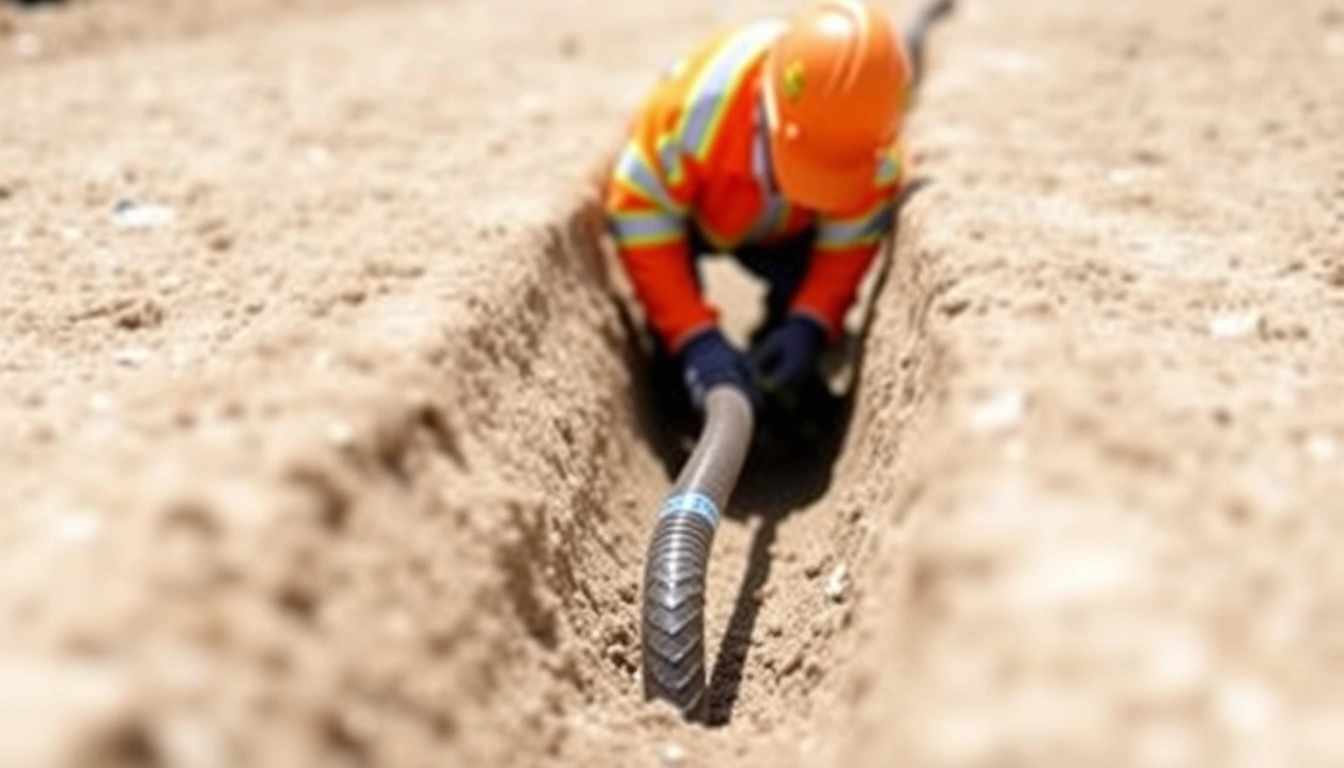
Use this if you’re digging a trench for a residential or light commercial utility run and want the depth right before backfill. If you’re asking how deep should trench be different utility lines?, I’m assuming you already know the difference between a trench and a bore, can read a site plan, and have at least basic knowledge of the line you’re burying: electrical, gas, water, sewer, communications, or irrigation. And I’m also assuming you have a utility locate before you dig; in the U.S., that usually means calling 811 and waiting for marks before starting. For 811 guidance, see the Common Ground Alliance and call811.com. Common Ground Alliance, call811.com
The part that trips people up is that “how deep” has two answers: trench depth and cover depth. Cover is the soil above the top of the line after backfill. So if a code says 24 inches of cover, the trench has to go deeper than 24 inches because the pipe, conduit, bedding, and warning tape all take up space too. That distinction is where a lot of DIY work goes sideways.
Some jobs are not good DIY candidates. I would not improvise on gas service, main electrical service, or sewer work that ties into a municipal lateral without checking the local code and, where required, using a licensed installer. A shallow trench can mean freeze damage, service failure, or a dangerous strike later. If the route crosses a driveway, footing, retaining wall, septic component, or another utility corridor, the depth rules usually change.
How deep should a trench be for electrical, gas, water, sewer, and low-voltage lines?
It depends on the line and how it’s installed, but the safe rule is simple: bury it deep enough to meet the required cover above the top of the pipe or conduit, then leave room for bedding and warning tape. In residential work, electrical conduit is often around 18 to 24 inches of cover, while direct-burial cable may need more or less depending on the cable type and local code. Gas lines commonly need about 18 to 24 inches of cover, though service lines and yard lines can vary. Water lines are often set deeper than electrical because they must stay below frost depth in cold climates. Sewer laterals can be among the deepest household trenches because they need slope. For NEC cover details, see the current code table and local amendments. NFPA NEC 300.5
Here is the practical breakdown I’d use:
- Low-voltage landscape wire or communications cable: often 12 to 24 inches deep, depending on whether it is in conduit and what local rules say.
- Residential branch-circuit electrical in PVC conduit: commonly 18 inches of cover; under driveways or subject to physical damage, the requirement can rise.
- Direct-buried electrical cable: often 24 inches or more, sometimes deeper than conduit because the cable has less protection.
- Gas piping: commonly 18 inches of cover in yards, deeper where it crosses traffic areas or if the authority having jurisdiction requires more.
- Water service line: often 12 to 48 inches deep, with colder climates pushing the line below frost depth.
- Sewer lateral: depth is driven by slope, not just burial; it may need 18 inches to several feet of trench depth to maintain grade.
- Irrigation line: usually shallower than potable water, often 8 to 12 inches in mild climates, deeper where freezing is a concern.
The governing rule is not guesswork. In the U.S., the National Electrical Code (NEC) Article 300.5 covers cover requirements for electrical work, and local amendments can override the general table. Gas, water, and sewer are even more local; the utility or plumbing authority may require a specific depth, bedding material, tracer wire, or inspection before backfill. If a “standard depth” conflicts with your permit, the permit wins. For trench safety and excavation practices, OSHA also requires protection against cave-ins at sufficient depth. OSHA Excavations
What depth should I use for the trench itself?
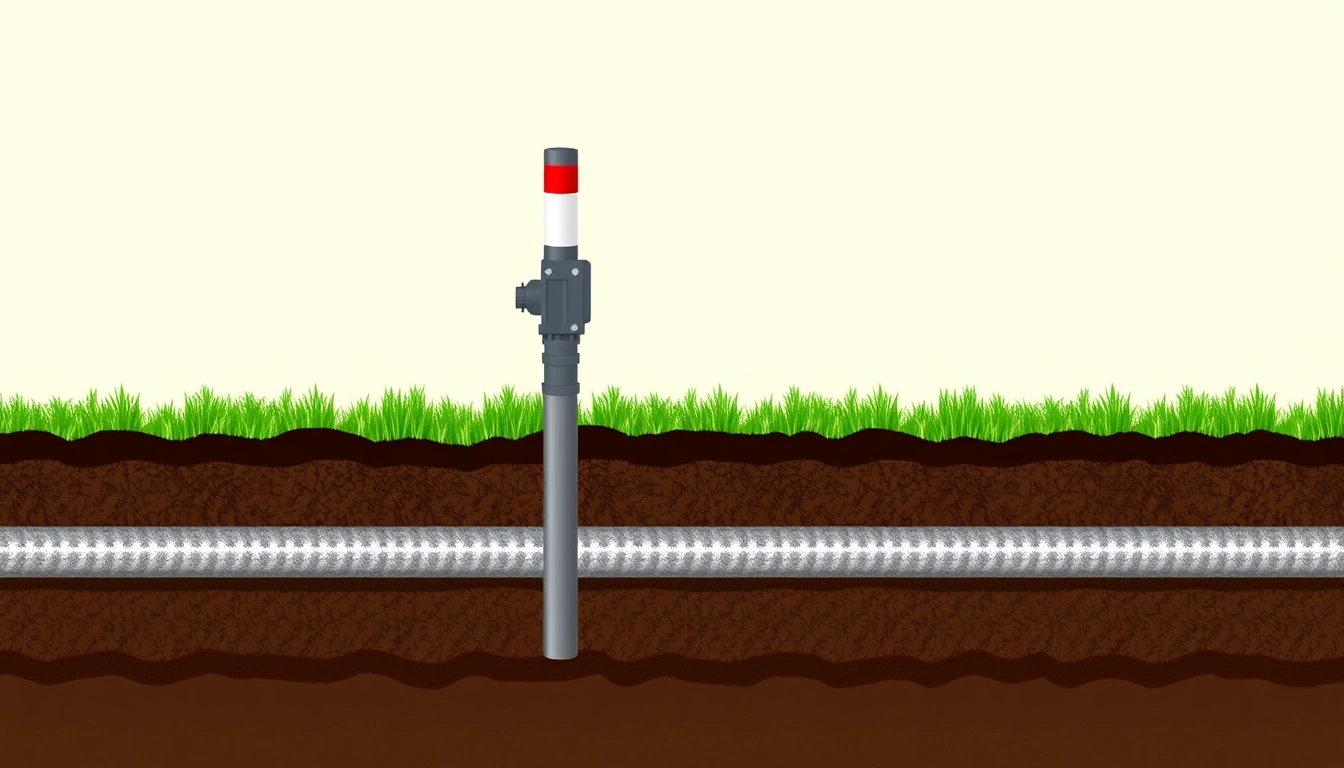
The trench needs to be deep enough for the required cover plus a stable bedding layer, which usually means the bottom sits several inches below the final burial depth. For many pipe jobs, I’d plan on 4 to 6 inches of bedding under the line, then enough soil cover above it to meet the code or manufacturer requirement. For rigid conduit, the bottom still has to be flat enough that the pipe isn’t bridged on rocks or hard clods.
I treat trench depth as a margin, not a single number, and I’d still consult a qualified professional or local inspector if the line is critical or the permit is unclear. If the finished cover requirement is 24 inches and you need 4 inches of sand or fine soil bedding, your trench bottom may need to sit around 28 inches below finished grade before you account for the pipe diameter. That is why a 2-inch water line and a 4-inch sewer pipe do not sit at the same trench bottom even if the cover number looks similar.
The right depth also depends on what sits above the line. Under a lawn, the cover requirement may be straightforward. Under a driveway, parking area, or service road, the burial depth often increases because of traffic loading. If the line will pass below a footing or slab, I would stop and recheck the plan rather than trenching blindly; the relationship between trench depth and structure depth matters more than the raw number.
A shallow trench leaves too little room for bedding and compaction, which can let the line settle, bow, or get damaged during backfill. An overdeep trench can create its own problem: you may lose slope on a sewer line or bury a handhole, cleanout, or valve too low to service. So the right answer is not “as deep as possible.” It is “deep enough to protect the line and shallow enough to keep the system maintainable.”
How do you actually set the trench depth step by step?
Start from the final elevation, then check slope, cover, and obstructions before you close anything in. For a straightforward residential trench, I would do it in this order:
- Mark the route and confirm utility locates. Stake the line on the ground and verify all locate marks, flags, and paint before digging. Check for conflicts with gas, electric, water, sewer, telecom, and irrigation. A problem is any unmarked crossing or a locate that disagrees with the plan.
- Check the required cover for that utility. Look up the applicable code, permit note, or manufacturer instruction and write down the required cover in inches. For electrical, NEC Article 300.5 is the usual reference; for other utilities, local rules control. A problem is relying on a rule of thumb when the permit says otherwise.
- Account for bedding and pipe diameter. Add 4 to 6 inches of bedding under the line, then add the pipe or conduit diameter to the cover requirement to estimate excavation depth. A problem is measuring only to the top of the line and forgetting the material below it.
- Set grade stakes or a laser reference. Use a builder’s level, rotary laser, or stringline to establish the bottom of trench and the finished grade. Verify the numbers at both ends of the run. A problem is a trench that starts right and ends too shallow or too deep.
- Dig in controlled lifts. Excavate in 6- to 12-inch lifts, especially where the soil is unstable or mixed with roots and fill. Verify the bottom stays roughly flat and free of large stones. A problem is undercutting in one pass and creating soft pockets.
- Shape the trench bottom for the line. For pipe, make a smooth bed; for conduit, remove rock and sharp debris; for sewer, set the bottom to maintain the required slope, often around 1/4 inch per foot on short residential runs unless the design says otherwise. A problem is a hump or sag that changes the grade.
- Dry-fit the line and recheck cover. Place the pipe or conduit without final backfill and measure from finished grade to the top of the line at several points. Verify that the shallowest point still meets cover. A problem is one high spot near a crossing or bend.
- Backfill in layers and compact as required. Place selected fill around the line first, then backfill in lifts of about 6 to 12 inches, compacting per the project requirement. Verify the line stays in position and does not float, shift, or kink. A problem is settlement after rain or a line that moves during fill placement.
That sequence matters because trench depth is not fixed until the line is actually sitting in the trench. If the trench was 24 inches deep on paper but the bottom heaved, or the pipe rode on a stone, the real cover is wrong.
When should I stop and use a qualified installer or inspector?
Stop when the trench depth is tied to safety, a public utility connection, or a condition that makes the required depth uncertain. A common mistake is thinking a trench is just a hole in the ground. It isn’t. It’s part of a regulated system, and depth is only one piece of the job.
Gas service line or gas meter relocation: Gas work can create a leak, fire, or explosion hazard — stop and use a licensed gas fitter or the utility-approved contractor.
Main electrical service, feeder, or any trench involving high-voltage crossing: An error can energize metal parts or leave insufficient cover — stop and use a qualified electrician familiar with NEC cover rules.
Sewer connection to a municipal lateral or a septic system with a required grade: Wrong slope can cause backups or standing sewage — stop and have the route checked against the plan and local code.
Unknown utility crossing or conflicting locate marks: You may strike a live line if you keep digging — stop and hand-dig or call for re-marking before proceeding.
Trench under a driveway, footing, retaining wall, or slab: Load and structure depth change the burial requirements — stop and redesign the route or depth instead of guessing.
Frozen ground, wet collapse-prone soil, or a trench deeper than roughly 4 feet: Cave-in risk rises quickly with depth and soil condition — stop and follow trench safety rules, including shoring or sloping where required.
For ordinary yard work, you can usually handle route marking, shallow trenching, and backfill. Once the work touches service connection, structural loading, or code-sensitive systems, I’d rather slow down than bury a mistake for 20 years.
What are the mistakes people actually make?
The biggest mistakes are simple, and each one costs more than the time saved.
-
Measuring trench depth to the top of the pipe instead of to finished grade. The result is shallow cover after backfill. The fix is to measure from the final surface down to the top of the installed line, not the trench bottom alone.
-
Ignoring bedding. Rock under a pipe can puncture PVC or deform a flexible line over time. The fix is a 4- to 6-inch bedding layer of fine material where the code or manufacturer allows it.
-
Assuming all electrical lines use the same depth. Direct-bury cable, conduit, and service conductors can have different cover rules. The fix is to identify the exact wiring method before digging.
-
Forgetting slope on sewer lines. A trench can be deep enough and still be wrong if the grade is flat or back-pitched. The fix is to lay out the slope with a laser or stringline before final backfill.
-
Tunneling across obstacles without checking depth at the crossing. A trench may be fine in open ground and too shallow under a driveway or too deep near a foundation. The fix is to verify every crossing, not just the ends.
-
Backfilling too soon. Once the line is covered, it is much harder to correct depth or slope. The fix is a dry-fit and a full measurement before final fill goes in.
A trench done badly often looks fine on the surface for a while. Then the failure shows up later as a dead outlet, a frozen water line, a sewer backup, or a utility strike during another project.
When does the standard depth change?
The standard depth changes whenever frost, traffic, soil, or local code changes the risk profile. That is the part most generic articles leave out.
If you’re in a freeze-prone climate, water lines and shallow irrigation lines usually need to be buried below local frost depth. Frost depth is the depth at which the ground can freeze in winter, and it is usually published by state or local authorities. Stay above that line, and the pipe can freeze and split. In warmer regions, frost may not matter, and a shallower trench can be acceptable if the local code allows it.
Traffic changes the rule too. A line under a lawn and the same line under a driveway do not share the same burial requirement. Vehicle loading can demand more cover, stronger conduit, or both. If the line is under an area where trucks or repeated axle loads will pass, I would not use the shallow end of the range.
So does soil type. Rock, expansive clay, and filled ground can force a change in trench shape or bedding. In rocky soil, the trench bottom matters as much as depth because sharp stone concentrates pressure on the pipe. In expansive clay, movement is the problem, so flexible pipe, proper bedding, and careful compaction matter more than shaving an inch off the depth.
Long runs with changes in elevation are another edge case. A sewer lateral, for example, may need to start shallow and get deeper to maintain slope as it moves away from the house. That is not a mistake if the design calls for it. It becomes one if the depth becomes unmanageable, or if the slope can’t be maintained without revising the layout.