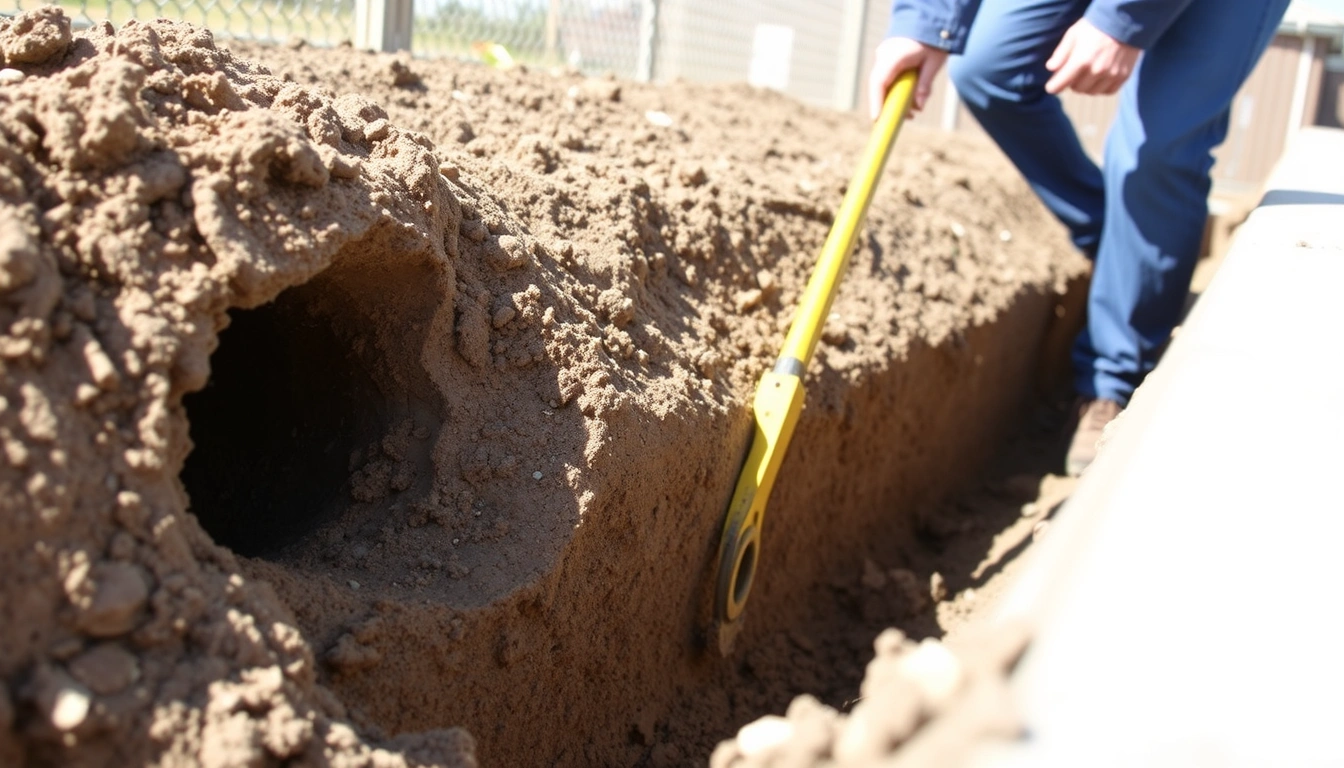
When to Use Narrow Trenching for Utility Installation
Last updated: September 10, 2026
Key Takeaways
- The gap between “looks about right” and “meets spec” can be 2 or 3 inches on shallow work.
- A small contractor crew may be dealing with 20 to 50 feet at a stretch, depending on soil and temperature.
- Practically speaking, narrow trenching works best when the surface matters almost as much as the utility.
- Continuous depth checks help too. Without them, things get sloppy fast.
Table of Contents
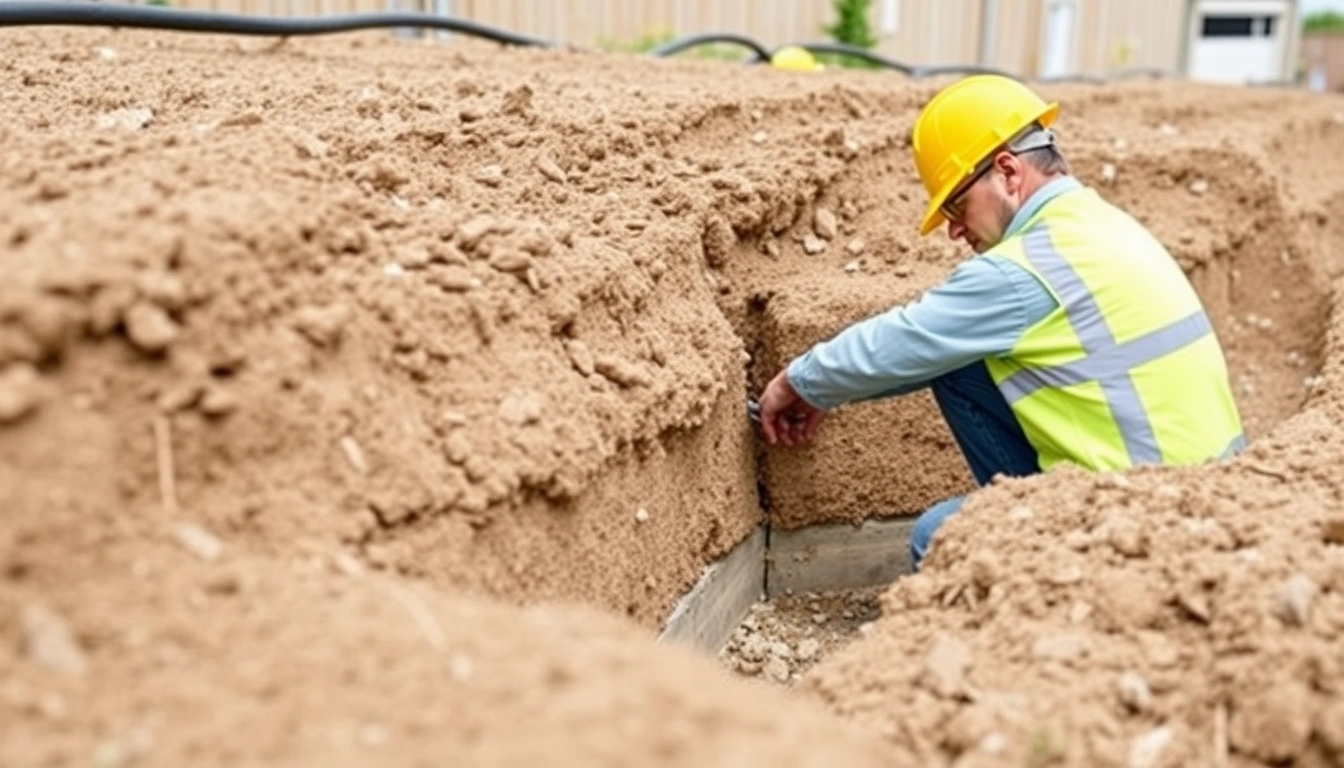
- Who narrow trenching fits — and who should choose another method
- What narrow trenching actually changes in the job
- When is narrow trenching the right choice for utility installation?
- How I would decide before signing the work order
- How to do it, step by step
- What are the warning signs that narrow trenching is the wrong tool?
- What should I ask a contractor before I call it a yes?
- When narrow trenching needs a different approach
Narrow trenching for utility installation is the right choice when you need a utility line installed fast, with less surface disruption, and the soil and local rules support it. I’d use it on short- to medium-length runs of shallow conduit, fiber, irrigation, small electrical service laterals, and some gas or water work — but only when the authority having jurisdiction allows it and the line design fits the trench width, depth, and bedding requirements. According to OSHA’s excavation rules, trenches deeper than 5 feet require protection unless the excavation is made entirely in stable rock, and utility owners often add their own depth and bedding standards on top of that. Utility locating and trenching services are usually part of the planning conversation before a narrow cut starts.
Who narrow trenching fits — and who should choose another method
Property owners, builders, and facility managers are the usual fit. They want a line buried with minimal cutting of pavement, sod, or landscaping. The term usually means a trench only wide enough for the utility and the required bedding, often made with a chain trencher, wheel trencher, or vacuum excavation in tight conditions. The appeal is straightforward: less spoil, less restoration, and often less downtime than an open cut that tears up a 24-inch or wider strip.
A straight run helps. So does decent access. I would also want the utility to be installable at the depth the code or utility standard requires without fighting much rock, roots, or buried clutter. It is common for electric conduit, communications conduit, irrigation pipe, and some low-impact service laterals. It can also work on driveways, lawns, and utility corridors where reopening a wide trench would be expensive or ugly. For a deeper comparison, see open cut vs trenchless and irrigation installation.
Wrong tool? Absolutely sometimes. Dense underground congestion, unknown utility crossings, unstable soils, or a need for deep excavation can shut the whole idea down. It is also a poor fit where the utility requires a larger working envelope for joining pipe, setting vaults, or making complex bends. A 4-inch conduit can be narrow-trenched in many settings; a 6-inch water line with multiple fittings and thrust restraint needs more room. For larger utility assemblies, it is worth checking utility vaults and water line installation guidance before choosing the method.
If you’re deciding who to call, the first split is not “cheap versus expensive.” It is “can a narrow cut meet the utility’s depth, bedding, and inspection rules without improvisation?” If the answer is no, the job usually belongs to a conventional trenching crew or a directional drilling contractor, not to a narrow-trench crew trying to force a bad layout. A utility contractor can usually tell you quickly whether the route belongs in directional drilling instead.
What narrow trenching actually changes in the job

Narrow trenching changes the footprint, not the code. That is where people trip up first. A smaller cut does not reduce the need for utility locating, proper depth, bedding, warning tape where required, compaction, and restoration. It just shrinks the area disturbed while the line is installed.
Three common examples come to mind. One: a commercial site where a new fiber conduit has to cross a landscaped frontage without leaving a long scar. Two: a residence where a new irrigation main must cross a finished yard. Three: a lot where a shallow electrical duct bank can be laid from a service point to a detached structure, if local electrical code and the utility accept the route. For examples of surface-sensitive work, see fiber installation and electrical duct bank.
Width changes the bedding and the backfill. A trench only a few inches wider than the pipe or conduit leaves less room for side support and for correcting grade. That is manageable for some flexible materials, but it gets risky when the installer cannot hold a consistent slope or cannot see the bottom clearly enough to clear debris. For a nominal 1-inch to 4-inch conduit run, a narrow trench may be ideal. For a line that needs multiple joints, clean bell-and-spigot alignment, or larger fittings, I would expect more room.
Restoration changes too. Narrow trenching often saves money on asphalt patching, sod replacement, and hardscape repair because the disturbed strip is small. But the savings are not automatic. A clean sawcut and patch in asphalt may still cost more than the trench itself. In clay soils, a tight cut can also smear and collapse, which means more cleanup than the width suggests. For restoration planning, see site restoration and asphalt patching.
When is narrow trenching the right choice for utility installation?
The right choice shows up when the utility is shallow enough, the route is simple enough, and the ground is predictable enough to keep the trench open and serviceable. That is the practical test. Miss one of those three and I start looking at another method. In utility installation, a narrow trench is most defensible when it can be inspected, bedded, and backfilled without special workarounds.
Here is the kind of job it handles well:
– A short run, often under a few hundred feet, where access for a trencher is continuous.
– A utility that can be installed in a relatively small cross-section, such as conduit, irrigation pipe, or some service laterals.
– Soil that can be cut cleanly without constant sloughing, boulders, or large root mats.
– A route with few utility crossings and no mystery infrastructure.
– Restoration-sensitive surfaces where the owner wants the smallest possible disturbed area.
Mark and verify depth continuously, too. The difference between “looks about right” and “meets spec” can be 2 or 3 inches on shallow work. For electrical duct runs, that difference can matter a great deal once the inspector sees the trench bottom and the final burial depth. OSHA’s excavation guidance and local utility standards make that kind of verification part of a safe utility installation plan. Electrical inspections often turn on those depth details.
I would not use narrow trenching just because it sounds less invasive. It is a planning choice, not a virtue by itself. A 3-inch-wide cut that has to be reopened twice is worse than a 12-inch trench done once. The real question is whether the utility, the soil, and the route all support a clean, continuous install with the required cover. For utility installation, that also means checking whether the route can be documented for permits and inspection before the trench closes.
If the answer is yes, narrow trenching can be the most sensible option. If the answer is maybe, the job is already moving toward a more conventional excavation method.
How I would decide before signing the work order
Before I agreed to narrow trenching, I would check five things: locate quality, depth requirement, soil condition, surface restoration needs, and inspection rules. That list sounds plain because it is. The failure points are usually sitting in one of those five buckets.
Start with utility locates. A clear, current locate is not optional. For any buried utility job, the crew should know where gas, electric, communications, water, sewer, and private lines sit before the trench opens. If the route crosses marked utilities and the markings are old, faded, or incomplete, the job needs re-marking or potholing, which is hand or vacuum exposure of the line. In many states, 811 locate requests are valid for a limited window, so the timing matters as much as the paint.
Next, check cover depth. Different utilities need different burial depths, and local code or the serving utility’s standard often controls. A narrow trench may not have enough room for a pipe plus bedding plus required cover if the route dips or rises. If the design depends on a tiny margin, I would expect the installer to confirm grade often, not just at the ends. For example, the 2023 NEC generally requires 18 inches of cover for residential branch circuits in rigid metal conduit and 24 inches for many direct-burial cable and raceway conditions, with exceptions by circuit type and location.
Soil matters because narrow cuts are less forgiving. Dry sand can slough in and need immediate bedding support. Wet clay can gum up the trencher and smear the trench wall. Rock can stop a narrow trencher entirely or force a wider cut. Tree roots near a mature maple or oak can turn a “simple” run into a fitment problem. The U.S. Department of Agriculture notes that root spread can extend well beyond the canopy, which is why route planning matters in landscaped areas.
Surface restoration matters too. In lawn, a narrow trench is often ideal. In decorative concrete, permeable pavers, or new asphalt, the trench might be small but the restoration standard is not. A sloppy backfill will telegraph through the surface within a season. If the owner wants the area to disappear, the installer has to compact and finish carefully. For hardscape work, see concrete repair and paver replacement.
Finally, ask what inspection is required. Many utility authorities want the trench open for inspection before backfill. Miss that inspection, and the cheapest trench in town can turn into a re-excavation job. Painful. But true.
How to do it, step by step
Narrow trenching should follow a controlled sequence, not a “cut now, fix later” routine. The exact equipment varies, but the order does not. Utility installation goes faster when the crew treats each step as a checkpoint.
- Mark the route and verify every crossing. Lay out the line with paint or flags and confirm all utility locates are current. Keep crossing points exposed only if the locate is confirmed. Verify that the route avoids marked conflicts; a fresh mismatch between the plan and the field marks is a warning sign.
- Check the required depth and width before the machine starts. Confirm the utility’s minimum cover and the trench width needed for the pipe, conduit, or duct bank. A narrow trench for 1-inch irrigation pipe is not the same as one for 4-inch conduit. Verify the depth target at both ends and at low spots; a route that cannot hold grade is a problem.
- Expose crossings by hand or vacuum before machine trenching reaches them. Create safe potholes at crossings so the crew can see what is below. Verify the type and exact position of the crossing utility. If the line appears closer, deeper, or different from the locate, stop and re-evaluate.
- Cut the trench in manageable lengths. Open only as much as the crew can bed, install, and backfill without leaving an unsupported run exposed. For a small contractor crew, that may mean 20 to 50 feet at a time, depending on soil and temperature. If the trench starts sloughing before the pipe is in, the cut is too long or the soil is too weak.
- Prepare the bottom and bedding. Remove loose clods, rocks, and roots. Place the bedding material specified for the utility, often sand or fine screened backfill, to create a uniform base. Verify there are no sharp objects under the utility. A hard point under a conduit or pipe is a defect waiting to show up as a future break.
- Install the utility to line and grade. Set the conduit or pipe continuously, keeping joints aligned and bends within the manufacturer’s or code limits. Verify slope where it matters, such as drainage-related lines, and verify that the utility is not twisted or kinked. A visible bow, pinch, or forced offset means the trench or bedding needs correction.
- Backfill in lifts and compact as required. Put in the initial cover carefully, then finish backfill in layers, compacting enough to limit settlement. On lawns, that may mean light lift compaction and topsoil restoration; on pavement, the restoration standard is stricter. Verify that the surface does not bridge over voids or sink under foot pressure. A hollow sound or soft strip means the backfill is too loose.
- Restore the surface and document the depth. Replace sod, seed, asphalt, gravel, or concrete patching to the agreed standard. Take depth readings and record them if the job will be inspected. If the final surface shows a straight ridge, sunken line, or washout after rain, the compaction or bedding was weak.
What are the warning signs that narrow trenching is the wrong tool?
Narrow trenching is the wrong tool when the job starts asking for judgment calls that the method cannot support. That is the line I use.
Unknown utility crossings every few feet: The route is congested, and the chance of striking something rises fast — Switch to potholing, a wider open cut, or trenchless work.
Rock, cobbles, or rubble in the trench path: The trencher may leave an uneven bottom or fail to reach depth — Move to a different excavation method or adjust the route.
Deep cover requirement with little margin: There is not enough room to hit depth and still maintain a proper bed — Use a wider trench or another installation method.
Need for multiple large fittings, vaults, or hand-built assemblies: Narrow width can prevent proper assembly and inspection, so consult the utility spec or a qualified contractor — Open the trench wider at those points or redesign the run. A related reference is utility vaults.
Wet, unstable, or collapsing soil: The trench walls will not stay open long enough for safe installation — Shorten the open length, use shoring where appropriate, or choose a different method.
Owner wants a flawless hardscape finish over a long visible run: Any settlement will show, and a narrow trench is less forgiving of poor backfill — Use stricter restoration, more compaction, or a different route.
A bad job usually looks fine on day one and fails later. The surface settles in a line, the conduit rides too high, the irrigation main loses grade, or the backfill leaves a soft strip that opens after the first heavy rain. If the contractor says “it’ll pack down later,” I hear “it was not compacted correctly.” For settlement concerns, see soil compaction and drainage.
What should I ask a contractor before I call it a yes?
Ask how the crew will verify depth, handle crossings, and restore the surface before you agree to narrow trenching. Those three answers tell you more than a glossy estimate.
What width are they planning to cut, and why? A real answer will mention the utility size, bedding, and soil condition, not just “our machine.” Ask how they will protect marked crossings. If the answer does not include potholing or hand exposure where needed, that is a gap.
What happens if they hit rock, roots, or an unmarked line? You want a clear stop-and-change-plan response, not a promise that the machine will power through it. Ask who is responsible for inspection coordination if the utility authority wants the trench open before backfill. On utility work, a missed inspection can create a delay of a day or more and can force rework.
Ask about restoration in plain terms. “We’ll fix it” is weak. Better is a stated surface finish: lawn, gravel, asphalt patch, or concrete repair to a specified standard. If the job is under a driveway or new sidewalk, the restoration detail matters as much as the trench itself.
Price usually depends on line length, depth, soil, crossing count, restoration, and access. A short, clean run in soft soil may be straightforward. A short run through a congested yard with multiple utility crossings can cost more because the careful part is slower than the digging part. If someone gives a tight price without asking about these factors, I would treat that as a warning and ask for a site visit or written exclusions. For pricing context, see estimate guide and site visit.
When narrow trenching needs a different approach
Narrow trenching needs a different approach in clay, sand, frost, and root-heavy ground. That is not a flaw in the method; it is a clue that the field conditions are driving the decision.
In expansive clay, the trench walls can smear and slump, especially